


If you’re considering abortion in Wisconsin, you deserve accurate medical education to make the best decision for your situation. The compassionate medical professionals at Seed of Hope Center provide free resources to help you understand all your options and next steps.
Step 1: Confirm Your Pregnancy
Before considering abortion, it’s essential to confirm your pregnancy and determine how far along you are. Seed of Hope Center offers:
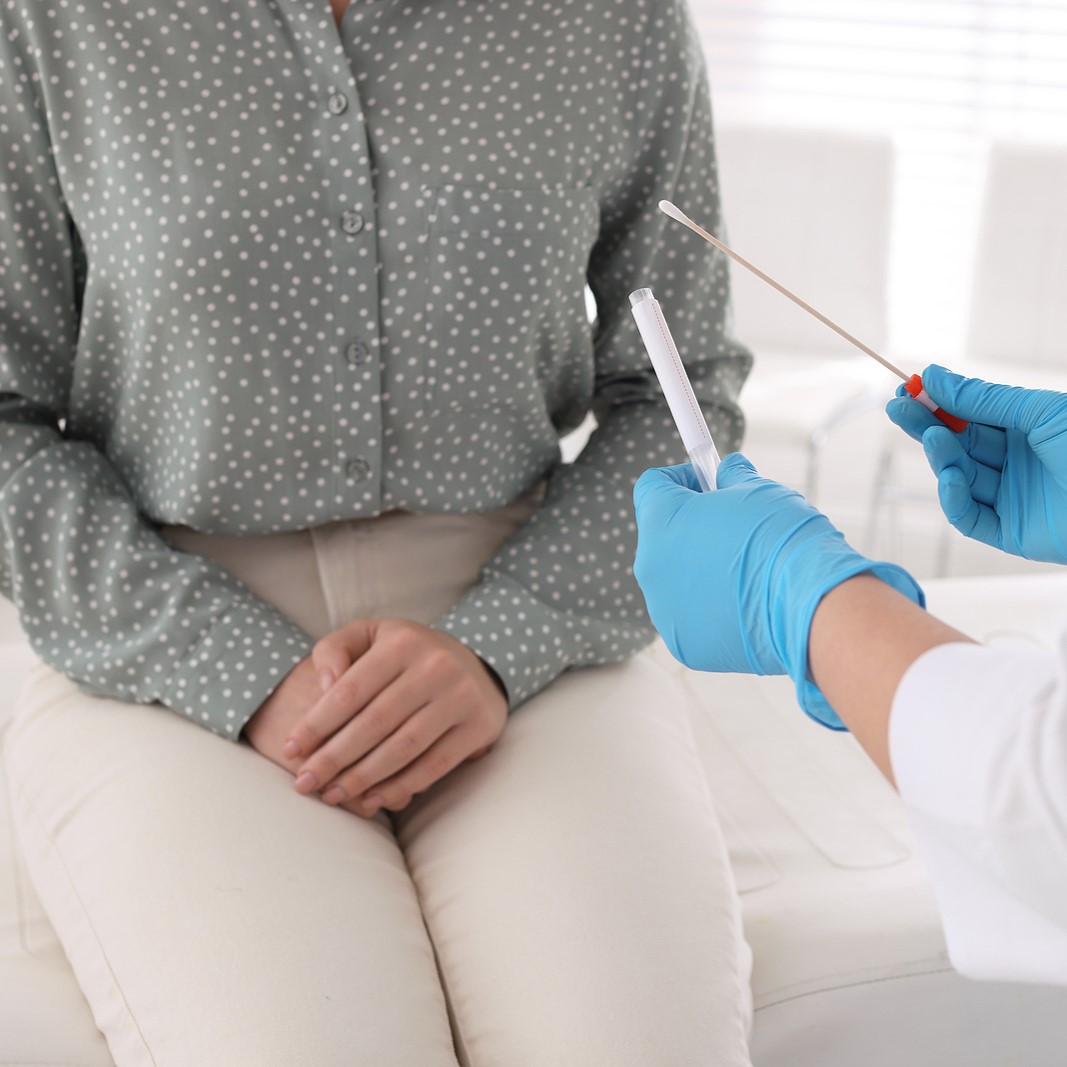
- Free medical-grade pregnancy tests – Get accurate results you can trust
- Free ultrasounds – Confirm pregnancy viability and an estimated gestational age (how far along you are in your pregnancy)

Step 2: Understand Abortion Types and Risks
The Abortion Pill (Medication Abortion)
The abortion pill involves two separate medications taken over several days:
Mifepristone (First Medication):
- Blocks the hormone progesterone needed to maintain pregnancy
- Causes the embryo to stop growing
- Best taken at the medical facility under supervision
Misoprostol (Second Medication):
- Taken 24-48 hours after mifepristone
- Causes uterine contractions to expel pregnancy tissue
- Usually taken at home
This two drug protocol is FDA approved for use up through 10 weeks gestation (or 70 days or less since the first day of your last menstrual period).
Surgical Abortion Procedures
Aspiration/Suction Abortion:
- Most common surgical abortion method
- Uses suction device to remove embryo or fetus from the uterus out through the vagina
- Performed at abortion clinic as outpatient procedure
- Typically completed the same day
Abortion Risks and Complications to Consider
Understanding potential risks helps you make a fully informed decision about abortion procedures.
Common Complications and Risks
Incomplete Abortion[1]:
- Failure to remove all fetal tissue completely
- More common with abortion pill than surgical procedures
- May require additional surgical intervention to prevent infection or bleeding
- Occurs in approximately 2-7% of medication abortions
Failed Abortion[2]:
- Pregnancy continues despite abortion attempt
- More common with medication abortion
- May require surgical procedure to complete abortion
Some women choose to continue pregnancy when this occurs, but there is a small increased risk of birth abnormalities to babies exposed to misoprostol.[3]
Infection Risk[4][5][6]:
- Can result from instrument insertion or retained tissue
- May develop into serious pelvic inflammatory disease (PID)
- Severe cases can lead to sepsis (life-threatening body-wide infection)
- Can cause scarring that impacts future fertility
Hemorrhage (Heavy Bleeding)[7]:
- Approximately 1 in 100 women using abortion pill require surgical intervention for bleeding
- May require emergency medical treatment
- Can be life-threatening if not treated promptly
Physical Injury[8]:
- Risk of cervical or uterine damage from surgical instruments
- Rare but serious complications include organ puncture
- Risk increases with later gestational age
- May require surgical repair
Emotional & Psychological Risks
- There is little information about how abortion affects women or the impact of seeing identifiable fetal parts expelled from your body
- However, available research confirms an increased risk of clinical depression, substance abuse, anxiety, suicidal thoughts and behavior[9][10]
Long-Term Health Considerations
- Carrying a first pregnancy to term before the age of 30 gives a measure of protection against future breast cancers[11]
- Delivering before 32 weeks gestation is associated with an increased risk of future breast cancer, this includes induced abortion[12]
Impact on Future Pregnancies[13][14][15][16][17]:
- Research indicates increased risk of preterm birth in subsequent pregnancies
- Studies show potential link to low birth weight in future babies
- Risk may be higher with multiple abortions
- Discuss personal risk factors with healthcare provider
Step 3: Get Tested for Sexually Transmitted Infections (STIs)
STI testing is crucial before any abortion procedure because:
- Many STIs have no obvious symptoms
- Untreated STIs significantly increase infection risk after an abortion[18]
- It protects your overall reproductive health
Seed of Hope Center provides free STI testing and treatment to ensure your safety and health.

Considering Abortion in West Bend, Wisconsin? Get the Facts at Seed of Hope Center.
Making decisions about pregnancy requires accurate, comprehensive medical education. At Seed of Hope Center, our experienced medical team provides:
- Free pregnancy testing and ultrasounds
- Pregnancy options education
- Free nurse consultations
- Referrals for community resources
- Compassionate, judgment-free support
Give us a call at 262-338-1205 or make an appointment online today.
*Important Note: Seed of Hope Center provides education and pregnancy services but does not perform or refer for abortion procedures. We are committed to ensuring you have complete, medically accurate information to make the best decision for your circumstances.
Additionally, this article is not meant to substitute for medical advice or treatment. The purpose of our limited ultrasound exams is to identify a pregnancy inside the uterus, detect the fetal heartbeat, and estimate how far along you are. If there is no detectable heartbeat, it may indicate a miscarriage or ectopic pregnancy is occurring. If we cannot detect a fetal heartbeat during your appointment, we will provide appropriate referrals for follow-up care and treatment.
Frequently Asked Questions About Abortion
How much does abortion cost in Wisconsin?
Average abortion costs in Wisconsin are[19]:
- Abortion Pill: $150
- Surgical in-clinic abortion: $738
However, costs may vary based on procedure type, gestational age, and location. Additional costs may or may not include required consultations, testing, and follow-up care.
What are the abortion laws in Wisconsin?
Currently, abortion in Wisconsin is prohibited after 20 weeks of pregnancy. Exceptions can be made to save the life or health of the pregnant woman.[20]
When should I seek emergency medical care after abortion?
Go to the emergency room immediately if you experience:
- Persistent fever
- Heavy bleeding
- Severe abdominal or pelvic pain
- Foul-smelling vaginal discharge
- Signs of allergic reaction
- Persistent nausea or vomiting
- Feeling unwell
Sources
- U.S. National Library of Medicine. (2024, October 15). Abortion – Surgical. MedlinePlus. https://medlineplus.gov/ency/article/002912.htm
- American College of Obstetricians & Gynecologists. (2020). Medication abortion up to 70 days of gestation. Obstetrics & Gynecology, 136(4), 855-858. doi:10.1097/ aog.0000000000004083. https://www.acog.org/clinical/clinical-guidance/practice-bulletin/articles/2020/10/medication-abortion-up-to-70-days-of-gestation#
- Vauzelle, C., Beghin, D., Cournot, M.-P., & Elefant, E. (2013, April). Birth defects after exposure to misoprostol in the first trimester of pregnancy: prospective follow-up study. Reproductive Toxicology. https://pubmed.ncbi.nlm.nih.gov/23207166/
- Stevenson MM, Radcliffe KW. Preventing pelvic infection after abortion. Int J STD AIDS. 1995 Sep-Oct;6(5):305-12. doi: 10.1177/095646249500600501. PMID: 8547409.
- Bridwell RE, Long B, Montrief T, Gottlieb M. Post-abortion Complications: A Narrative Review for Emergency Clinicians. West J Emerg Med. 2022 Oct 23;23(6):919-925. doi: 10.5811/ westjem.2022.8.57929. PMID: 36409940; PMCID: PMC9683756.
- Mayo Clinic. (2022, April 30). Pelvic Inflammatory Disease (PID). https://www.mayoclinic.org/diseases-conditions/pelvic-inflammatory-disease/symptoms-causes/syc-20352594
- U.S. Food and Drug Administration, (2016). Mifeprex Medication Guide. https://www.fda.gov/media/72923/download
- Paul, E. S. Lichtenberg, L. Borgatta, D. A. Grimes, P. G. Stubblefield, & M. D. Creinin (Eds.), 2009. Medical abortion in early pregnancy in Management of unintended and abnormal pregnancy: Comprehensive abortion care (pp.122-29). Chichester, UK: Wiley-Blackwell.
- Fergusson, D. M., Horwood, L. J., & Ridder, E. M. (2005, September 22). Abortion in young women and subsequent mental health. Association for Child and Adolescent Mental Health. https://acamh.onlinelibrary.wiley.com/doi/full/10.1111/j.1469-7610.2005.01538.x
- Coleman, PK. Abortion and mental health: quantitative synthesis and analysis of research published 1995–2009. British Journal of Psychiatry. 2011;199(3):180-186. https://pubmed.ncbi.nlm.nih.gov/21881096/
- Evans, D., Harkness, E., Howel, S., Woodward, E., Howell, A., & Lalloo, F. (2017, November 7). Young age at first pregnancy does protect against early onset breast cancer in BRCA1 and BRCA2 mutation carriers. Breast Cancer Research and Treatment. https://pmc.ncbi.nlm.nih.gov/articles/PMC5807493/
- Razavi, M., Sepidarkish, M., Maleki-Hajiagha, A., Vesali, S., Almasi-Hashiani, A., Najdi, N., & Esmailzadeh, A. (2023, January 1). Preterm Birth and Breast Cancer Risk: A Systematic Review and Meta-Analysis. Asian Pacific Journal of Cancer Prevention: APJCP. https://pmc.ncbi.nlm.nih.gov/articles/PMC10152877/
- American College of Obstetricians & Gynecologists. (2019). Pelvic inflammatory disease (PID). https://www.acog.org/womens-health/faqs/pelvic-inflammatory-disease
- Swingle, H. M., Colaizy, T. T., Zimmerman, M. B., Morriss, F. H. (2009). Abortion and the risk of subsequent preterm birth: A systematic review with meta-analyses. The Journal of Reproductive Medicine, 54(2), 95–108. https://pubmed.ncbi.nlm.nih.gov/19301572/
- Shah, P. S., Zao, J. (2009). Induced termination of pregnancy and low birthweight and preterm birth: A systematic review and meta-analyses. British Journal of Obstetrics & Gynaecology, 116(11), 1425–42. doi: 10.1111/j.1471- 0528.2009.02278.x. https://pubmed.ncbi.nlm.nih.gov/19769749/
- Moreau, C., Kaminski, M., Ancel, P.Y., Bouyer, J., et al (2005). Previous induced abortions and the risk of very preterm delivery: Results of the EPIPAGE study. Br J Obstet Gynaecol,5,112(4):430–37. https://pubmed.ncbi.nlm.nih.gov/15777440/
- Ancel, P.Y., Lelong, N., Papiernik, E., Saurel-Cubizolles, M.J., Kaminski, M (2004). History of induced abortion as a risk factor for preterm birth in European countries: Results. https://pubmed.ncbi.nlm.nih.gov/14998979/
- Carlsson, I., Breding, K., & Larsson, P.-G. (2018, September 25). Complications related to induced abortion: a combined retrospective and longitudinal follow-up study. U.S. National Library of Medicine. https://www.ncbi.nlm.nih.gov/pmc/articles/PMC6156848/
- As advertised by abortion providers.
- Wisconsin State Legislature. (2026, May). Key Abortion Restrictions in Wisconsin. https://docs.legis.wisconsin.gov/misc/lc/issue_briefs/2026/health/ib_overview_of_abortion_laws_msk_2026_05_06