

When facing an unplanned pregnancy, it’s crucial to have accurate education about all your options. If you are considering surgical abortion, it is important to know how it works and understand the risks. This knowledge can help you make the best decision for your health and future.
What is Surgical Abortion?
Surgical abortion is a medical procedure that terminates a pregnancy through surgical intervention. The specific technique used depends on factors such as gestational age, medical history, and individual circumstances.

Types of Surgical Abortion Procedures
First Trimester
A dilation and curettage (D&C) is typically performed during the first trimester.[1]
This procedure involves dilating the cervix and using surgical instruments to remove pregnancy tissue. During the procedure, the abortion provider uses a spoon-shaped device called a curette to scrape out the fetal tissue from the uterus. They may also use a suction device at the end to remove any remaining tissue that was missed by the curette.[2]
Second Trimester
A dilation and evacuation (D&E) is typically performed in the second trimester[3] and involves dilating the cervix and using surgical instruments and suction to remove pregnancy tissue. It’s more complex than a D&C due to the fetus’s size and requires skilled providers.
Here’s how it works:
- Cervix Dilation: The day before, sponge-like sticks (laminaria) are inserted into the cervix, absorbing moisture to expand and open it gradually. Medication may also be used overnight to soften the cervix.[3]
- Procedure: A cannula suctions out uterine contents, and forceps remove remaining tissue.[3]
Surgical Abortion Side Effects and Risks
Both surgical abortion procedures carry risks such as:
- Uterine Perforation: An instrument may accidentally puncture the uterus, possibly needing surgical repair.[4]
- Asherman Syndrome: Scar tissue inside the uterus from repeated procedures can impact future fertility.[5]
- Pelvic Inflammatory Disease (PID): Bacteria introduced during surgery may cause infection in the reproductive tract.[6]
- Intense Pain: Studies show second-trimester abortions like D&E can be more painful than expected.[7]
How Much Does Surgical Abortion Cost?
The average cost of surgical abortion in Wisconsin is $738.[8] Prices may vary based on the type of procedure, your gestational age, and your insurance coverage.
Additional costs may include consultation fees, laboratory tests, ultrasounds, and follow-up care, which can add to the total expense.


Is Abortion Legal in Wisconsin?
Currently, abortion in Wisconsin is prohibited after 20 weeks of pregnancy. Exceptions can be made to save the life or health of the pregnant woman.[9]
We recommend receiving an ultrasound before an abortion. Keep reading to learn why.
Why You Need an Ultrasound Before an Abortion
Before considering any abortion procedure, it’s crucial to receive an ultrasound to determine:
- Viability: An ultrasound determines if your pregnancy is viable and growing inside the uterus by detecting the fetal heartbeat. If it cannot be detected, it may indicate that a miscarriage (spontaneous loss of a pregnancy) is occurring. This requires alternative medical care.
This could also mean that the pregnancy is growing in another location, which is known as ectopic pregnancy. This is a life-threatening situation that requires emergency care.
- Gestational Age: Gestational age refers to how far along you are in pregnancy. This information is critical because the abortion pill is only FDA-approved for pregnancies up to 10 weeks gestation (or 70 days or less since the first day of your last menstrual period).
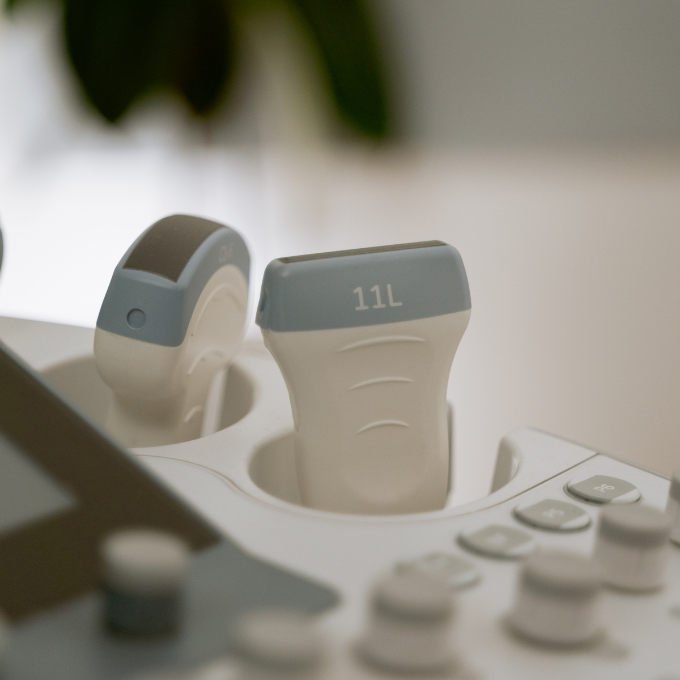
*Important note: Please be aware that this article is not meant to substitute for medical advice or treatment. The purpose of our limited ultrasound exams is to identify a pregnancy inside the uterus, detect the fetal heartbeat, and estimate how far along you are. If there is no detectable heartbeat, it may indicate a miscarriage or ectopic pregnancy is occurring. If we cannot detect a fetal heartbeat during your appointment, we will provide appropriate referrals for follow-up care and treatment.
Considering Surgical Abortion in West Bend, Wisconsin? Get the Facts at Seed of Hope Center.
When your pregnancy test comes back positive, it can be easy to panic. Don’t let fear make the final decision for you. Get the care and support you deserve at Seed of Hope Center.
We provide free pregnancy resources, so you can make the best decision for your unplanned pregnancy:
- Free pregnancy tests – Confirm your pregnancy with medical-grade testing
- Free ultrasounds – Determine gestational age and confirm pregnancy viability
- A safe, non-judgmental place to explore your pregnancy options and process your emotions
- Compassionate support from trained staff who understand what you’re going through
- Resource connections to help you access additional support services
- Education about all your options including parenting and adoption resources
Give us a call at 262-338-1205 or schedule your appointment online. All services are confidential and free of charge!
Please be aware that Seed of Hope Center does not provide or refer for abortion services.
Frequently Asked Questions
How long does each procedure take?
A dilation & curettage takes up to 10 minutes[1], while a dilation & evacuation takes up to 20 minutes.[10] However, you’ll spend several hours at the clinic for preparation, the procedure itself, and recovery.
Is abortion painful?
Pain levels vary from person to person, but late-term abortions often involve more discomfort than early-term procedures due to the pregnancy’s progression.
Studies show that abortions can be more painful the further along you are in pregnancy. Studies have found that women who received late-term abortions experienced more pain than they expected during their procedures.[7]
Can I get pregnant again right after a surgical abortion?
On average, women can ovulate three weeks after an abortion[11], even if they’re still bleeding. If a woman is sexually active around that time, she could get pregnant again.
Will surgical abortion affect my ability to get pregnant in the future?
Abortion can cause two conditions that affect fertility: Pelvic Inflammatory Disease (PID)[6] and Asherman’s Syndrome.[12] Women who have had multiple surgical abortions are at greater risk of developing Asherman’s Syndrome.[5]
Both conditions can have a negative impact on fertility and make it harder to get pregnant in the future.
Sources
- Cleveland Clinic. (2024, February 9). Dilation and Curettage (D & C). https://my.clevelandclinic.org/health/procedures/dilation-and-curettage
- Mayo Clinic. (2023, November 7). Dilation and curettage (D&C). https://www.mayoclinic.org/tests-procedures/dilation-and-curettage/about/pac-20384910
- Cooper, D. B., & Menefee, G. W. (2023, May 7). Dilation and Curettage. StatPearls [Internet]. https://www.ncbi.nlm.nih.gov/books/NBK568791/
- U.S. National Library of Medicine. (2024, April 5). Abortion – Surgical. MedlinePlus. https://medlineplus.gov/ency/article/002912.htm
- Mayo Clinic. (2024, July 6). Elective Abortion: Does it Affect Subsequent Pregnancies? https://www.mayoclinic.org/healthy-lifestyle/getting-pregnant/expert-answers/abortion/faq-20058551
- Mayo Clinic. (2022, April 30). Pelvic Inflammatory Disease (PID). https://www.mayoclinic.org/diseases-conditions/pelvic-inflammatory-disease/symptoms-causes/syc-20352594
- Dzuba, I. G., Chandrasekaran, S., Fix, L., Blanchard, K., & King, E. (2022, May 12). Pain, Side Effects, and Abortion Experience Among People Seeking Abortion Care in the Second Trimester. Women’s Health Reports (New Rochelle, N.Y.). https://www.ncbi.nlm.nih.gov/pmc/articles/PMC9148646/
- As advertised by abortion providers.
- Wisconsin State Legislature. (2026, May). Key Abortion Restrictions in Wisconsin. https://docs.legis.wisconsin.gov/misc/lc/issue_briefs/2026/health/ib_overview_of_abortion_laws_msk_2026_05_06
- As advertised by abortion providers.
- Schreiber, C. A., Sober, S., Ratcliffe, S., & Creinin, M. D. (2011). Ovulation resumption after medical abortion with mifepristone and misoprostol. Contraception, 84(3), 230–233. https://doi.org/10.1016/j.contraception.2011.01.013
- Cleveland Clinic. (2022, January 8). Asherman’s Syndrome. https://my.clevelandclinic.org/health/diseases/16561-ashermans-syndrome